
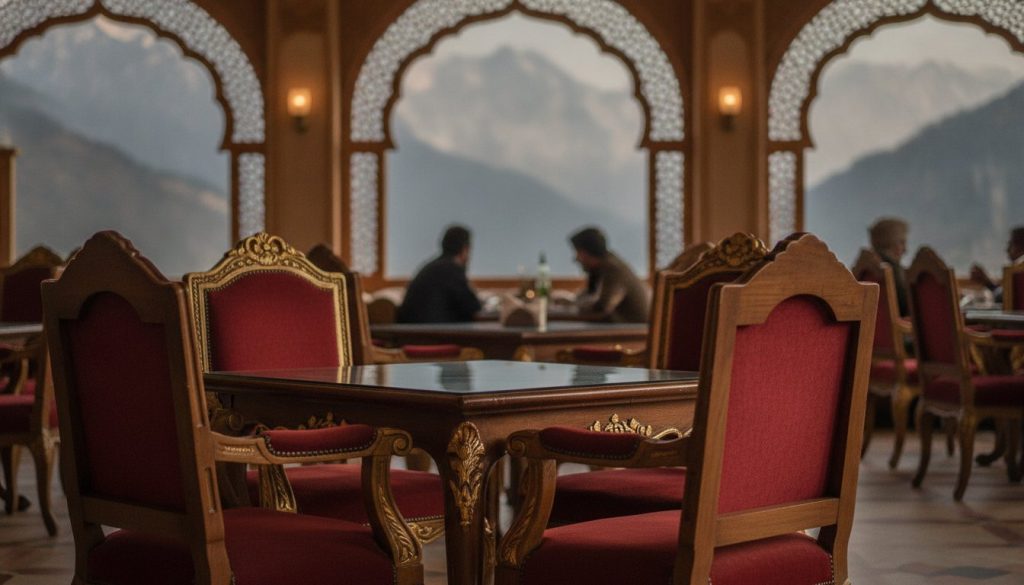
Srinagar alone reached a milestone of over 200 operating cafes by 2025, marking a significant shift in the regional commercial landscape. If you’re launching or upgrading a space, you likely recognize that a generic interior isn’t enough to capture the market. You need a cohesive environment that looks professional and withstands heavy daily use. Finding reliable cafe furniture India is often difficult when online images fail to reflect the actual physical quality required for high-traffic areas.
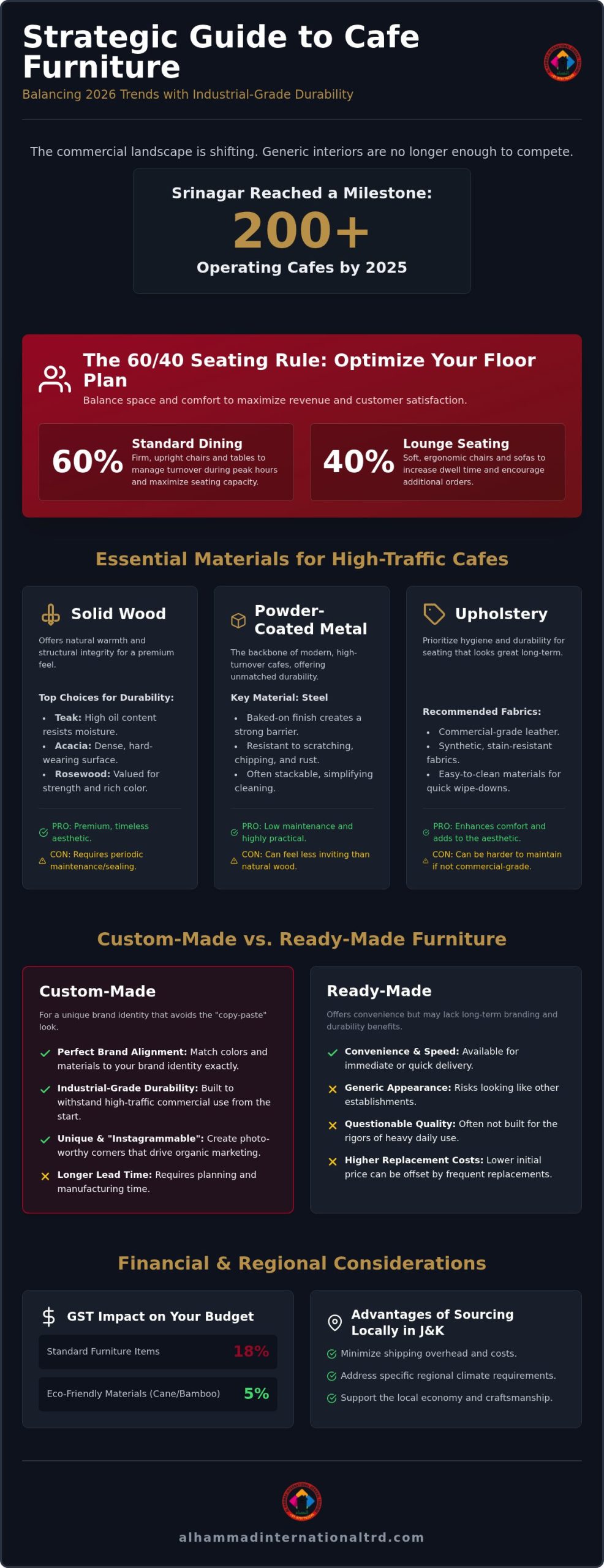
This guide provides a clear path to selecting commercial seating that balances 2026 design trends with industrial-grade durability. We focus on materials suited for the Jammu and Kashmir climate and furniture that remains easy to maintain. You’ll learn about the impact of the 18% GST rate on standard items and the benefits of the 5% rate for eco-friendly materials like cane or bamboo. We also examine how custom manufacturing helps you avoid the “copy-paste” look common in many new establishments. From indoor seating to weather-resistant outdoor options and essential appliances, this overview ensures your investment supports long-term business goals.
Key Takeaways
- Learn how strategic furniture selection increases customer dwell time and creates the “Instagrammable” corners essential for modern cafe marketing.
- Identify the most durable materials for cafe furniture India, focusing on powder-coated metals and commercial-grade solid woods like Acacia and Teak.
- Master the 60/40 rule to balance standard dining chairs with lounge seating, optimizing both floor space and customer comfort levels.
- Compare the long-term branding benefits of custom-made furniture against the convenience of ready-made options for high-traffic commercial environments.
- Discover the logistical advantages of sourcing locally in Jammu and Kashmir to minimize shipping overhead and address specific regional climate requirements.
The Role of Furniture in Modern Indian Cafe Culture
Cafe culture in India has transitioned from simple social hubs into complex business environments where every square foot must perform. Looking back at the history of Indian cafe culture, the focus was primarily on community and basic utility. Today, furniture is a strategic asset that directly influences customer dwell time and average spend. Soft, ergonomic lounge chairs encourage guests to stay longer and order additional items. In contrast, firm upright seating at communal tables helps manage turnover during peak hours, ensuring high-traffic efficiency without sacrificing style.
Success in the current market often depends on the “Instagram Factor.” Creating photo-worthy corners with unique accent pieces provides free organic marketing as customers share their experiences online. High-quality cafe furniture India must be photogenic while maintaining the industrial-grade durability required for hundreds of daily interactions. It’s about finding a balance between aesthetics that attract visitors and the functional strength that prevents frequent replacement costs.
Aesthetic Trends Dominating the Indian Market
Modern cafe designs frequently utilize industrial chic, which combines powder-coated metal frames with reclaimed wood accents for a rugged, professional look. Biophilic design is also rising, where natural wooden textures and integrated greenery create a refreshing atmosphere. Retro and vintage styles use reclaimed materials to establish a “heritage” feel, providing a sense of permanence and reliability that resonates with local patrons.
Furniture as a Branding Tool
Custom-made furniture allows cafe owners to select specific colors and materials that match their brand identity exactly. This level of detail ensures the physical space reflects the business’s core values. Seating height is another critical factor. Bar-height stools and high tables create a high-energy, fast-paced vibe suitable for quick coffee stops. Low lounge seating suggests a more relaxed, premium environment. Coordinating indoor and outdoor sections is vital for a seamless brand experience. When sourcing cafe furniture India, choosing consistent materials across both zones reinforces the professional image of the establishment, especially in regions like Jammu and Kashmir where outdoor seating is a major attraction.
Essential Materials for High-Traffic Cafe Furniture
Selecting materials for a commercial space requires a different mindset than residential shopping. You need components that withstand hundreds of users every week. Solid wood remains a primary choice for cafe furniture India because of its natural warmth and structural integrity. Acacia, Rosewood, and Teak are the most reliable species for 2026. Teak is particularly valued for its high oil content, which resists moisture and rot. Acacia provides a dense, hard-wearing surface that handles the impact of daily use without showing significant wear.
Metal and industrial alloys serve as the backbone for modern, high-turnover cafes. Powder-coated steel is a staple because the finish is baked onto the metal. This process creates a barrier that resists scratching, chipping, and rust. For owners, this means less time spent on touch-ups and more time on operations. If you’re looking for versatile options, custom made furniture allows you to combine metal frames with wooden tops for a balanced look.
Upholstery choices must prioritize hygiene and durability. Commercial-grade leather and synthetic stain-resistant fabrics are essential. These materials allow staff to wipe away spills quickly, preventing deep stains that ruin the “vibe” of the cafe. Sustainable options are also gaining traction. Reclaimed wood and recycled materials provide a unique character that mass-produced items lack, helping your space stand out while reducing environmental impact.
Wood vs. Metal: Pros and Cons for Cafes
Maintenance is the biggest differentiator here. Solid wood needs periodic oiling or resealing, especially in the cold, damp climate of Kashmir or the extreme humidity of coastal regions. Metal chairs are often lighter and stackable. This makes them practical for staff who need to move furniture for daily floor mopping. While wood offers a premium feel, metal provides a utilitarian advantage in fast-paced environments where speed and ease of cleaning are priorities.
Outdoor Material Resilience
Patio sections require materials that handle direct exposure to the elements. Aluminium is the preferred frame material because it’s naturally rust-proof and easy to move. Synthetic wicker is another strong contender, providing a breathable seating surface that doesn’t trap heat. To maintain the appearance of your deck, ensure all pieces have UV-resistant coatings to prevent fading in the intense sun. For a deeper look at patio-specific selections, see our guide to outdoor garden furniture India.
Selecting the Right Seating and Table Mix
Floor planning for a commercial cafe is a balance between maximizing seat count and ensuring customer comfort. A common industry standard is the 60/40 rule. This involves allocating 60% of the floor space to standard dining chairs and 40% to lounge seating or accent pieces. This mix accommodates different customer behaviors, from quick lunch breaks to long-stay remote workers. Selecting the right cafe furniture India requires understanding these dynamics to ensure the space remains profitable during peak hours.
In small urban cafes, bar stools and high tables are essential. They utilize vertical space and create a “perch” for solo diners, which frees up larger tables for groups. For establishments targeting larger parties, communal tables are effective. They encourage social interaction and simplify group bookings. Booth seating remains a popular choice for maximizing corners and providing a sense of privacy. This often leads to higher average spends as customers feel more settled in their environment.
Ergonomics and Customer Comfort
Standard seat heights usually sit at 18 inches, paired with 30-inch table heights. Maintaining these clearances ensures a comfortable dining experience across different body types. Back support is a non-negotiable feature for cafes targeting the “work-from-anywhere” demographic. When evaluating commercial-grade joints, look for mortise and tenon construction or reinforced steel brackets. These methods prevent the wobbling and structural failure common in residential-grade furniture used in high-traffic settings. High-quality finishes also prevent snagging on customer clothing, a small but vital detail for professional service.
Table Top Strategies
The choice between solid wood and laminate involves a trade-off between aesthetics and budget. Solid wood offers a premium feel but requires more maintenance. Laminates are highly durable and resist heat and scratches, making them a utilitarian choice for high-turnover spots. Square tables provide the most flexibility for floor reconfiguration. They can be pushed together easily for large groups or separated for couples. Round tables improve floor flow and are ideal for tight corners where sharp edges might obstruct movement. Regardless of the top material, heavy-duty bases made of cast iron or steel are necessary to prevent wobbling, which is a primary complaint among cafe patrons. Stable cafe furniture India is a baseline requirement for any successful commercial operation.
Custom Made Cafe Furniture vs. Ready-Made
Ready-made furniture provides speed, but custom solutions solve specific architectural challenges. If your cafe has odd-angled walls or limited square footage, bespoke pieces maximize every inch of your floor plan. Investing in custom cafe furniture India ensures that your seating and tables align exactly with your brand’s visual identity. It eliminates the “copy-paste” feel found in many new establishments, giving your business a distinct competitive edge in a crowded market.
Lead times for custom projects in Jammu and Kashmir typically range from four to eight weeks. Planning this during your initial construction phase prevents opening day delays. Sourcing from a local provider who offers both furniture and commercial appliances streamlines your logistics and reduces shipping overhead. This coordination ensures that your service counters are built to the exact specifications of your coffee machines and refrigeration units, preventing costly mid-project adjustments.
The Custom Design Process
The process begins with precise space measurement and capacity planning. You must determine how many patrons can fit comfortably without blocking service paths. Next, you select materials and finishes that match your theme, such as powder-coated steel or solid Acacia wood. Finally, prototyping and quality testing ensure the pieces meet commercial-grade standards. This step is vital for verifying that joints and finishes can withstand heavy daily use. For more details on this approach, read our guide on custom made furniture India.
Integrating Appliances and Furniture
A major oversight in cafe planning is the disconnect between furniture and equipment. Custom counters must be designed to house heavy-duty coffee machines, grinders, and under-counter chillers. Proper ventilation is critical. Without it, appliances overheat and fail prematurely. Designing cabinetry with integrated airflow vents protects your equipment investment. Workflow optimization is equally important. Placing service points and condiment stations strategically prevents bottlenecks during busy morning rushes. If you need assistance with a tailored layout, explore our options for custom made furniture to see how we integrate these elements into a functional floor plan.
Sourcing Cafe Furniture in Jammu and Kashmir
Sourcing locally in Jammu and Kashmir offers a distinct logistical advantage over ordering from distant manufacturing hubs. Long-haul freight from places like Jodhpur or Delhi often introduces the risk of transit damage and significantly higher shipping fees. By choosing a local provider, cafe owners can conduct site visits to inspect material quality firsthand. This proximity ensures that the final product matches the physical requirements of the space without the uncertainty of long-distance logistics. It’s about reliability and accessibility for the regional business owner.
Regional climate variations require specific material choices. In Jammu, furniture must withstand intense heat and high UV exposure. Powder-coated metal frames and UV-stabilized finishes are essential to prevent warping and fading. Conversely, the cooler, damp environment of Kashmir demands moisture-resistant materials. Solid woods like Teak or Acacia, previously discussed for their durability, are ideal for these conditions. Selecting the right cafe furniture India for these micro-climates ensures the longevity of your investment. Local providers understand these nuances better than distant exporters who focus on generic environmental standards.
Local Logistics and Installation
Transit damage is a common pain point for new business owners. Local delivery services minimize handling stages, ensuring pieces arrive in professional condition. On-site assembly services allow for immediate layout adjustments, helping you optimize floor flow before the official opening. Procurement from regional suppliers also strengthens the Jammu and Kashmir business ecosystem. It aligns with local industrial development goals and simplifies the process of requesting additional pieces or matching sets as your business grows. Having a partner nearby means you don’t have to wait weeks for a response to a simple logistics question.
Complete Commercial Solutions
Managing multiple vendors for seating and kitchen equipment is often inefficient. A streamlined approach involves sourcing custom furniture and premium commercial appliances from a single provider. This ensures that service counters are built to accommodate specific refrigeration units and coffee machines perfectly. Successful setups in the region often attribute their operational efficiency to this integrated planning. For a professional assessment of your space, contact Al Hammad International for a commercial consultation. They provide a comprehensive range of indoor furniture, outdoor furniture, and essential appliances tailored to the J&K market. Reliability is the cornerstone of their service, bridging the gap between design needs and local supply.
Optimizing Your Cafe Interior for Long-Term Success
Selecting the right cafe furniture India requires a balance of aesthetic appeal and industrial-grade durability. You’ve seen how material choices like powder-coated steel and solid Acacia wood protect your investment against heavy daily use and regional climate shifts. Strategic floor planning, using the 60/40 rule for seating variety, ensures your space remains both functional and inviting for diverse customer groups. These decisions directly impact your brand’s reputation and your customers’ overall experience.
Sourcing locally in Jammu and Kashmir eliminates the logistical hurdles of long-distance shipping and potential transit damage. Al Hammad International provides a comprehensive one-stop shop for both custom bespoke manufacturing and essential commercial appliances. This integrated approach ensures your furniture and equipment work together seamlessly from day one. It’s a reliable way to build a brand that stands out while maintaining high operational standards. View Our Custom Cafe Furniture & Appliance Solutions to start planning your space today. With the right foundation, your cafe is well-positioned to thrive in the growing Indian food service market.
Frequently Asked Questions
What is the best wood for cafe furniture in India?
Acacia, Teak, and Rosewood are the primary choices for cafe furniture India due to their high density and natural oils. Teak is particularly effective in the varied climate of Jammu and Kashmir because it resists moisture and rot. Acacia provides a hard-wearing surface that withstands the impact of daily commercial use. These woods offer the structural integrity needed for high-traffic environments while maintaining a premium, professional appearance.
How much does it cost to furnish a 50-seater cafe in India?
Industry estimates suggest a basic restaurant setup in India can range between ₹1.5 lakh and ₹3 lakh. For a 50-seater cafe, costs vary significantly based on material choice and the mix of standard versus lounge seating. Investing in commercial-grade items prevents frequent replacement costs. While budget options exist, prioritizing industrial-grade durability ensures the furniture survives the high turnover rates typical of successful urban cafes.
How do I choose furniture that is easy to clean for a high-traffic cafe?
Look for non-porous surfaces like powder-coated steel and commercial-grade synthetic leather that allow for quick wipe-downs. Avoid deep-tufted upholstery where crumbs and spills can hide. Stackable metal chairs are also beneficial because they simplify daily floor mopping for staff. Prioritizing materials that resist staining and scratching helps maintain a professional look even during the busiest service hours in high-traffic Indian establishments.
Can I use outdoor furniture inside my cafe?
You can definitely use outdoor furniture inside to create a rugged, industrial, or garden-themed atmosphere. Aluminium frames and synthetic wicker are lightweight and highly durable, making them practical for indoor floor reconfigurations. These materials are built to handle moisture and heavy use, which is advantageous for cafes with high customer turnover. Using all-weather pieces indoors also allows for a seamless transition if you have a connecting patio section.
What is the typical lead time for custom cafe furniture in Jammu and Kashmir?
Typical lead times for custom cafe furniture India projects in the Jammu and Kashmir region range from four to eight weeks. Sourcing from a local provider like Al Hammad International helps minimize these timelines by reducing the logistical delays associated with long-distance freight. This period allows for precise space measurement, material selection, and quality testing to ensure every bespoke piece meets the specific architectural requirements of your commercial space.
How do I balance style with durability in a commercial space?
Balancing these factors involves selecting furniture with reinforced commercial-grade joints and finishes that match your brand identity. Use the 60/40 rule to mix standard dining chairs with stylish lounge pieces. This strategy ensures you provide the comfort customers expect while maintaining the seat count necessary for profitability. Choosing powder-coated metal frames with solid wood accents offers a modern look without sacrificing the strength required for hundreds of daily users.
Do I need to buy furniture and appliances separately for my cafe?
You don’t have to source these items from different vendors. Al Hammad International provides a streamlined solution by offering both custom furniture and premium commercial appliances in one location. It’s an integrated approach that ensures your service counters and cabinetry are designed to fit your coffee machines and refrigeration units perfectly. Coordinating these purchases from a single local supplier simplifies your logistics and reduces the risk of equipment overheating due to poor ventilation.
What are the current trends in Indian cafe furniture for 2026?
Prominent trends for 2026 include industrial chic featuring metal and reclaimed wood, alongside biophilic designs that incorporate natural textures and plants. Curved, organic shapes are replacing sharp edges to create a more inviting atmosphere. Modular seating that can be reconfigured for different times of the day is also in high demand. These styles help create the photo-worthy environments that attract younger patrons while supporting the functional needs of a busy cafe.